

The Role of Luck in Gambling
Luck is often the first factor that comes to mind when discussing casino outcomes. Many players enter casinos with the hope that fortune will smile upon them, leading to significant wins. This belief is rooted in the idea that random chance plays a crucial role in gambling games like slots, roulette, and even poker, where the unpredictability of the outcome is a key ingredient. While skill and strategy have their parts to play, the element of luck can often shift the tides in favor of one player over another, especially in an instant payout casino where quick wins can create an exhilarating atmosphere. The allure of hitting a jackpot or scoring a lucky hand keeps players engaged and hopeful.
In various games, the concept of luck is highlighted by players’ experiences and stories of remarkable wins or devastating losses. For instance, a player may win consistently over a night due to fortunate draws or outcomes that seem improbable. These events contribute to the narrative that luck is a driving force in gambling and entice many to keep returning, hoping to replicate such experiences. However, it is essential to recognize that while luck is significant, it is often temporary and can change rapidly. This unpredictability is part of what makes the gambling experience thrilling.
Moreover, casinos leverage this belief by creating an environment filled with elements designed to enhance the sensation of luck. Bright lights, exciting sound effects, and celebratory announcements when someone wins are all strategies employed to create a thrill. This atmosphere manipulates the perception of luck favorably, encouraging players to gamble more. However, understanding the odds behind each game is crucial, as luck alone cannot guarantee success in the long run. Players must remain aware that while luck can lead to victories, it is the understanding of the game that forms a solid foundation for sustainable gambling.
Understanding the Odds
In any casino game, the odds are critical as they dictate the likelihood of different outcomes occurring. Every game is designed with a built-in house edge, which mathematically ensures that the casino will profit over time. For example, in roulette, there are 38 numbers on the wheel in American roulette, giving a higher house edge compared to European roulette, which has only 37. While luck may enable a player to win on certain spins, the odds remain constant and ultimately dictate the expected return over many games. Understanding these odds can help players make more strategic decisions.
Players often fail to recognize the crucial difference between short-term luck and long-term probability. An individual player might enjoy a lucky streak and win several times in a session, but statistically, the house edge will prevail as time passes. This disparity between expectation and reality can lead to risky betting behavior, fueled by the belief that short-term luck is a reliable predictor of future success. Recognizing the role of odds can help players develop a more realistic approach to their gaming strategy, leading to better outcomes over time.
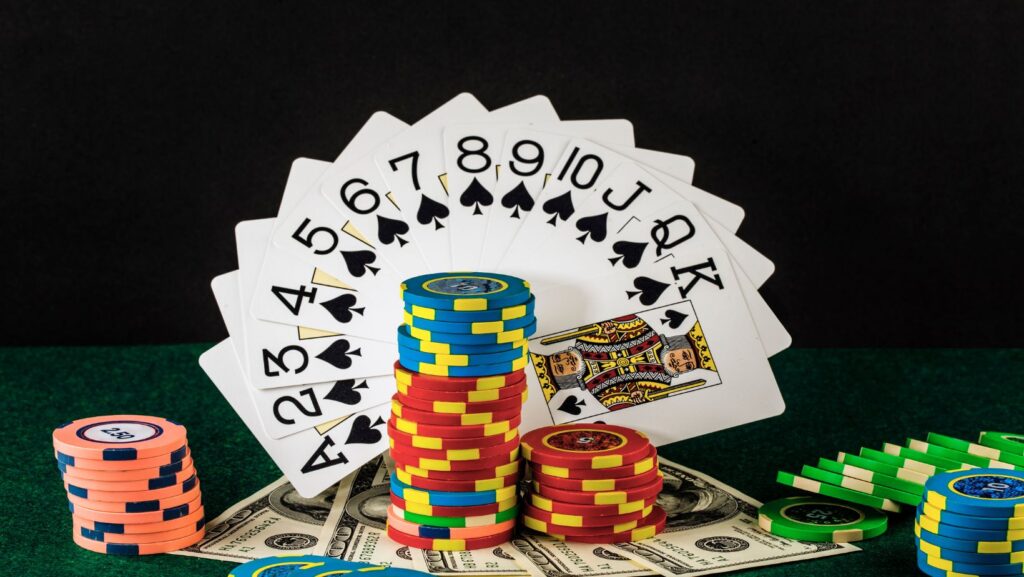
Moreover, understanding the odds can enable players to make more informed decisions regarding their gambling budgets. By knowing the specific probabilities associated with the games they play, players can gauge their risk and adjust their betting strategies accordingly. A player who is well-versed in the odds may bet lower amounts or take breaks during losing streaks, ultimately enhancing their overall experience and minimizing losses. This understanding contrasts with the volatile nature of luck, which, while exciting, should not form the basis of a gambling strategy. Players should aim to blend their understanding of odds with their experiences of luck to create a balanced approach.
The Psychology of Luck and Gambling
The psychological effects of luck in gambling cannot be overstated. Many players develop a belief system around luck that influences their decisions and overall gambling behavior. This phenomenon, known as cognitive bias, can manifest in various ways, such as the illusion of control, where players believe they can influence random outcomes through their actions. Such beliefs can lead to overconfidence and reckless betting, as players chase the high of perceived luck. Recognizing these biases is essential for responsible gambling.
Additionally, players often succumb to the gambler’s fallacy, a common misconception where they think past events can influence future outcomes. For instance, if a player sees the same number on a slot machine winning repeatedly, they may believe it is “due” for a loss soon, leading them to adjust their bets based on faulty reasoning. These psychological factors demonstrate that luck is more than just a game aspect; it significantly influences decision-making and risk tolerance among players. Understanding these factors can help players maintain a more balanced perspective.
Furthermore, casinos capitalize on these psychological components by creating a conducive environment that fosters the belief in luck. The ambiance, the company of other players celebrating wins, and even the promise of jackpots contribute to a captivating experience. This environment can lead players to engage in more prolonged gambling sessions, often ignoring their budgets and increasing the chances of losses. Understanding the psychological aspects of luck can help players approach gambling more mindfully, balancing enjoyment with responsibility. By being aware of these influences, players can make more rational choices instead of being swept away by emotions.
Skill vs. Luck: The Best Approach to Gambling
The age-old debate of skill versus luck in casino games is central to understanding gambling dynamics. While games like blackjack and poker involve a significant element of skill, especially for seasoned players, games like slots and roulette hinge almost entirely on luck. Acknowledging the balance between skill and luck is crucial for players aiming to maximize their enjoyment and minimize losses. Players who possess skills in games that allow for strategic play often have better odds of success than those who rely solely on luck, making it essential to understand where skill can be applied.
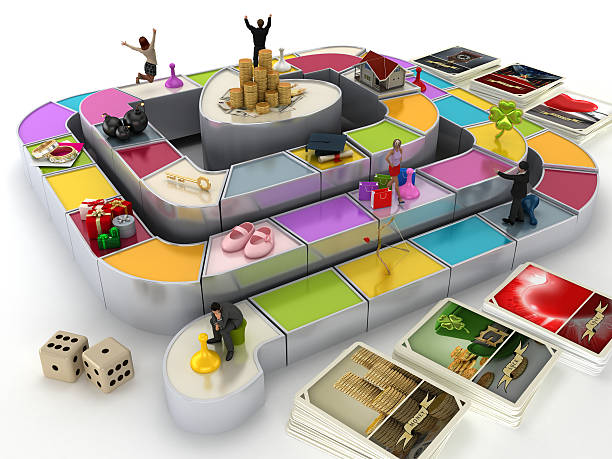
As players develop their skills, they may learn strategies that can elevate their chances of winning, especially in card games where decisions impact outcomes. Knowledge of game mechanics, odds, and skillful behaviors can lead to more favorable results than those expected from luck alone. For instance, a skilled poker player can read their opponents, manage their bankroll effectively, and play optimally, giving them an edge over other players who may depend solely on chance. This strategic thinking can be the difference between a winning and losing session.
Ultimately, the most effective approach to gambling is to embrace the unpredictability of luck while simultaneously honing skills in applicable games. Players should aim for a balanced mindset that appreciates the excitement of luck but also values the strategic elements that skill offers. Understanding when to take risks and when to play it safe is vital in navigating the expansive world of casinos, ensuring that players enjoy a fun yet responsible gambling experience. By blending both elements, players can enhance their overall gaming experience and improve their long-term outcomes.
Your Resource for Responsible Gambling
When approaching the world of casinos, having a reliable source of information is invaluable to making informed decisions. This website aims to provide a comprehensive resource for players looking to understand the intricacies of gambling, the role of luck, the impact of odds, and the psychological aspects that come into play. By offering in-depth articles, expert insights, and practical tips, we strive to guide players toward a balanced and enjoyable gambling experience.
Our commitment to responsible gambling means that we provide resources to help players set limits, recognize when to stop, and understand the long-term implications of their gambling habits. By fostering an environment of education and awareness, we wish to empower players to make more informed choices and enhance their overall casino experiences. We believe that a well-informed player is better equipped to enjoy the thrills of gambling while minimizing potential risks and maximizing enjoyment.
Ultimately, our goal is to cultivate a community that values both excitement and responsibility in gambling. By exploring the relationship between luck, skill, and the psychology of players, we encourage a more thoughtful approach to gaming. Whether you are a seasoned player or new to the casino landscape, our website offers the tools and knowledge to help you navigate your journey with confidence and enjoyment. Together, we can promote a safe and enjoyable gambling environment for everyone.