

The Nature of Luck in Gambling
Luck is often portrayed as a capricious force, one that can change the outcomes of games in an instant. In the realm of casinos, luck plays a critical role in determining winners and losers. Many players enter a casino believing that luck is their ally, hoping for a fortunate streak that will lead them to a jackpot. Interestingly, some gamers turn to platforms like 1win to enhance their chances, considering various strategies while navigating their luck. However, the very nature of luck raises questions: Is it purely random, or are there factors that can influence it? This complexity adds an intriguing layer to gambling, and analyzing it can lead to valuable insights.
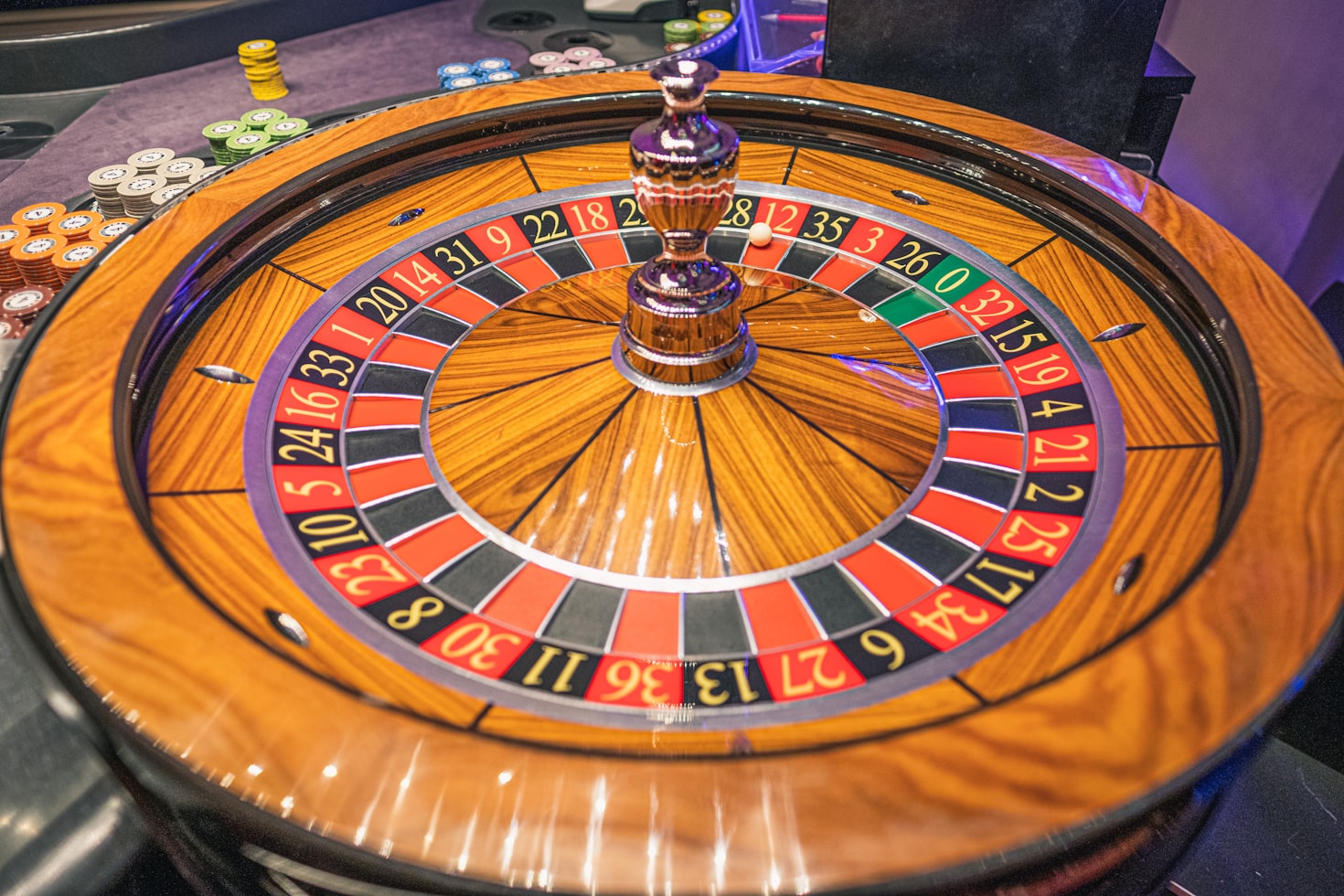
For instance, consider the game of roulette. The outcome of each spin is independent of previous spins, embodying a classic example of randomness. Players often choose their numbers based on superstitions or personal beliefs, relying on luck rather than strategy. Despite this reliance on fortune, statistical probabilities govern the game, illustrating the stark contrast between perceived luck and mathematical expectations. Understanding these mathematical underpinnings can help players approach the game more realistically.
Moreover, luck manifests differently across various games within a casino, such as slots, blackjack, and poker. In slot machines, luck is entirely at play, with random number generators determining outcomes. Conversely, in games like poker, a player’s skill and strategy can significantly affect the results, creating a blend of luck and expertise. This distinction highlights that while luck is a pivotal factor, it exists alongside skill, making it challenging to fully quantify its role in casino gaming.
The Psychology of Luck and Its Perception
The perception of luck extends beyond mere chance; it taps into human psychology and behavior. Many gamblers develop a belief in ‘lucky’ rituals or items, attributing their successes or failures to these superstitions. This psychological aspect of luck can impact a player’s behavior and decision-making significantly. For instance, if a player wins after wearing a specific shirt or carrying a particular charm, they may believe these items bring them good fortune, leading to repeated behavior driven by the hope of replicating success.
Furthermore, the environment of a casino can amplify feelings of luck. The sounds of slot machines, the cheers from winning tables, and the vibrant atmosphere all contribute to a sense of excitement and potential. This psychological stimulation can create a belief in ‘hot streaks,’ where players feel that they are on a winning path due to positive energy. However, this perception can lead to overconfidence, and players might disregard the fundamental odds and probabilities governing the games.
Additionally, cognitive biases play a crucial role in how players interpret their experiences with luck. The Gambler’s Fallacy, for instance, leads individuals to believe that past outcomes affect future ones in random events. This misconception can drive players to make irrational bets, all in the pursuit of the elusive luck they believe they can control. Understanding these psychological factors can help players navigate their gambling experiences and recognize the thin line between luck and strategy.
The Role of Mathematics in Quantifying Luck
While luck is often perceived as intangible, mathematics provides the tools to analyze and quantify it in casinos. Probability theory, for instance, allows players to understand the odds associated with various games. Each game has its own set of statistical probabilities that determine the likelihood of winning or losing, enabling players to make more informed decisions based on empirical data. For example, understanding the house edge in games like blackjack or baccarat can help players gauge the risks involved and adjust their strategies accordingly.
Moreover, mathematical models can simulate gambling scenarios, effectively predicting outcomes over numerous plays. Tools like Monte Carlo simulations offer valuable insights into how luck operates in the long run, allowing players to see beyond single-game outcomes. By engaging with these mathematical concepts, players can develop a more rational understanding of luck, transitioning from a purely emotional approach to a more analytical one. As a result, they may adopt strategies to mitigate risks associated with their gambling habits.
Even though mathematics can provide a framework for understanding luck, it cannot fully capture the randomness of individual gaming experiences. The unpredictability of a single game is often at odds with the statistical expectations derived from larger datasets. This realization reinforces the importance of responsible gambling, emphasizing that while luck plays a role, the outcomes remain uncertain and can be detrimental if players chase losses with irrational expectations based on quantified luck.
The Intersection of Strategy and Luck
In many casino games, the interaction between luck and strategy is crucial. While luck determines the immediate outcome of a single game, strategy can influence a player’s overall success over time. In poker, for example, while a player might experience a run of bad luck with card draws, employing solid strategies like understanding position, calculating pot odds, and reading opponents can dramatically affect long-term results. This intersection creates a dynamic where luck and skill coexist, with each influencing the other in various ways.
Additionally, the importance of managing one’s bankroll cannot be overstated. Successful players often emphasize the significance of money management as a strategy to mitigate the impact of bad luck. By setting limits on losses, players can protect their finances while waiting for the favorable luck to turn. This approach balances the unpredictable nature of luck with strategic decision-making, allowing players to maintain a healthier gambling experience.
Ultimately, understanding the relationship between luck and strategy can empower players to take control of their gambling experiences. By acknowledging that luck is a factor, but not the sole determinant of success, gamers can cultivate a mindset that combines both emotional and analytical thinking. This balance can lead to a more enjoyable and potentially profitable casino experience, enhancing overall enjoyment while mitigating risks.
The Importance of Responsible Gambling
In the fast-paced world of casinos, understanding the nuances of luck is critical for responsible gambling. Many individuals fall prey to the illusion that they can outsmart chance through sheer will or luck, often leading to detrimental consequences. Gambling should be viewed as a form of entertainment, one that comes with inherent risks. By acknowledging the unpredictability of luck, players can adopt a healthier approach and avoid the pitfalls of excessive wagering.
Implementing strategies such as setting strict budgets and time limits can help players enjoy their experiences without falling into the trap of chasing luck. Understanding that luck is not a reliable partner can encourage individuals to reflect on their gambling habits and recognize when it’s time to take a break. Furthermore, education on the odds and probabilities associated with each game can equip players with the knowledge they need to make informed choices rather than impulsive ones.
In conclusion, while luck cannot be quantified in its entirety, understanding its facets and implications can enhance the gambling experience. By blending strategic thinking with an awareness of luck’s unpredictability, players can navigate casinos with a newfound respect for the games and a more responsible mindset. Ultimately, responsible gambling practices ensure that the excitement of the casino remains a source of enjoyment rather than a potential source of distress.